

Environmentally conscious energy storage devices ecodesigned for marine ecosystems (URDIN)
PID2025-172870OB-I00
From: 09/2026 to: 08/2029
Coordinator: Juan Pablo Esquivel
Budget: 193.750 Euro
PID2025-172870OB-I00
From: 09/2026 to: 08/2029
Coordinator: Juan Pablo Esquivel
Budget: 193.750 Euro
The exponential expansion of the Blue Economy is driving a massive deployment of autonomous sensors for aquaculture and oceanography, yet this technological wave presents a sustainability paradox where the devices used to monitor the ecosystem often become hazardous ghost gear or electronic waste upon loss or obsolescence. Current Li-ion batteries rely on toxic electrolytes and critical raw materials that pose severe leaching risks in marine environments, highlighting the urgent need for a new generation of power sources designed from the outset for marine disintegration.
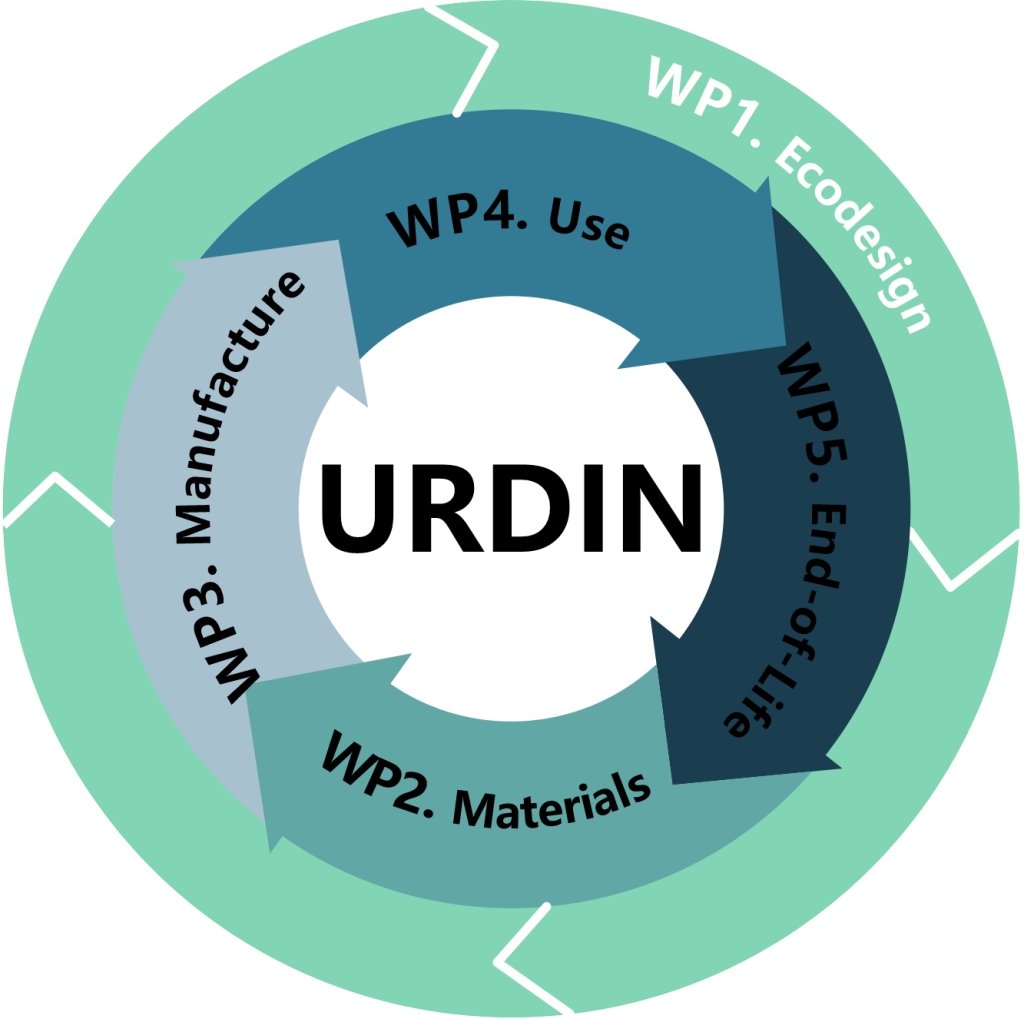
The URDIN project aims to resolve this challenge by ecodesigning, developing, and validating a new generation of Na-ion batteries and supercapacitors manufactured entirely from marine-derived precursors via frugal, decentralized techniques. The project is founded on a circular marine-to-marine hypothesis which posits that by combining sodium extracted from brine, carbon electrodes synthesized from invasive beach wrack, and electrolytes formulated from algae biopolymers, it is possible to create a device that meets the rigorous power requirements of marine devices while guaranteeing innocuous degradation in seawater.
Coordinated by BCMaterials (EDGY) with the participation of UPV/EHU, GAIKER, and UNAM-CNyN, URDIN establishes the first benchmark for safe, marine-degradable energy storage.

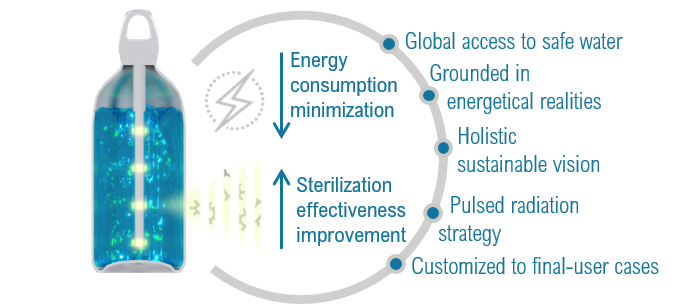
Fit-to-purpose batteries and supercapacitors
Eco-conscious value chain that promotes raw materials and technology sovereignty
New solutions to the energy challenging requirements imposed by Blue Economy applications